Keeping children safe online
December 2025 | 5-minute read
What’s in this article
- Practical steps for parents, carers, and guardians to keep children safe online
- How to talk to children about online safety and difficult topics
- Tips for monitoring and managing children's online activity and privacy
- Resources and support services for children and families
- Guidance on reporting inappropriate or harmful online behaviour
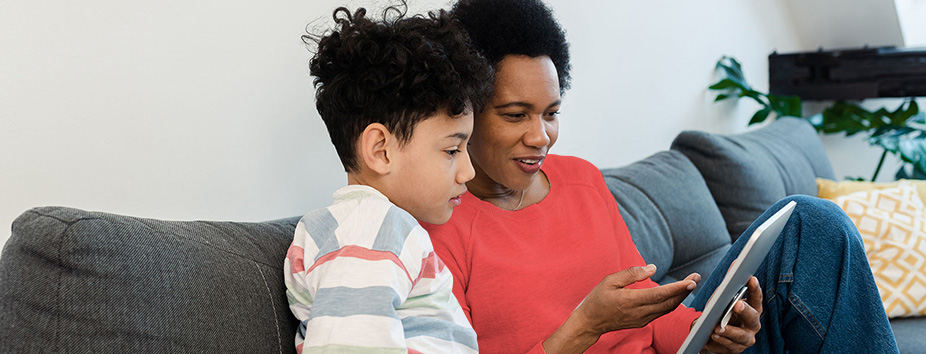
The internet offers children and young people many benefits, yet going online also raises critical challenges like exposure to harmful material, potential for online grooming and cyberbullying. Almost 3 in 4 (74%) children in Australia have seen or heard content associated with harm online, and more than half (53%) have experienced cyberbullying. Online hate is also widespread, with 60% of children having seen or heard hateful content, and over 1 in 4 (27%) personally experiencing it1.
It’s important to discuss online safety with your children at a young age and have open lines of communication about what they are reading, watching, uploading, and who they are communicating with online.
What can you do as a parent, carer, or guardian?
Here are some ways to help keep your children safe online.
- Ensure your child is aware that not everybody online is who they say they are, and their intentions may not always be good.
- Don’t shy away from difficult topics like online pornography, sending nudes and sexting and unwanted contact and grooming.
- Ensure your child knows to speak up if they are being asked to hide conversations or share intimate details.
- Educate yourself on the apps, games, and sites your child is using.
- Check privacy settings and recommended age restrictions on the sites used and restrict if necessary.
- Activate parental controls and discuss with your child how these can keep them safe.
- Monitor browsing history on both computer and mobile phone/s to help identify sites they are visiting.
- Understand that children and young people in out of home care might be at higher risk.
Ensure your child knows there are resources available to them if they do not feel comfortable or are embarrassed speaking to you directly. Counselling and support services are available at: Kids Helpline (1800 551 800).
Here are some additional ways you can keep children safe, including in their financial journey:
- Educate them about positive money habits – budgeting, saving, and spending; needs versus wants and understanding where money comes from.
- Use parental controls to keep track of their finances.
- Educate them about in-app purchases to prevent purchases and unexpected charges.
- Educate them about scams and other online threats.
- Advise them to set unique passwords for their accounts and limit the personal information they share online.
Useful resources
- eSafety – the Australian government agency set up to ensure Australians are safer online, with information and online safety advice for parents and young people.
- Think U Know – advice for parents and carers to help prevent online exploitation.
- ‘It’s time we talked’ – valuable information to help support conversations around explicit content, consent etc.
- Playing IT Safe – helps parents and carers teach young children about the internet and how to stay safe online.
- Bravehearts Australia – provides a range of resources aimed at educating and empowering parents on personal safety and child protection.
- The Association of Children’s Welfare Agencies (ACWA) – online training videos co-designed for children and young people in care, and their caregivers.
- Westpac Security Hub – information about scams and prevention tips.
Report inappropriate online behaviour towards children
If you think a child is in immediate danger call Triple Zero (000) or your local police 131 444. If you prefer to report anonymously, you can visit Crime Stoppers or call 1800 333 000.
If you encounter suspected online grooming or inappropriate contact, individuals saying and doing inappropriate things with a child online or trying to meet in person, live streaming and consuming child sexual abuse material, coercing, and blackmailing children for sexual purposes, including sexual extortion you can report it to: Australian Centre to Counter Child Exploitation.
If you encounter a description or picture of child sexual abuse online, child abuse material or other offensive, harmful and illegal content, image-based abuse or cyberbullying you can report it to: eSafety Commissioner.
As one of the largest financial institutions in Australia and New Zealand, we acknowledge our reach across the community and our responsibility to respect human rights, especially to mitigate known child safety risks.
Did you know?
Westpac Group has a Child Safeguarding Position Statement, a first for an Australian bank, that sets out the principles that guide our approach as we work to embed a child safe culture within our organisation. While our direct engagement with children and young people can be limited, we recognise the role we can play in promoting their financial safety as they access our products and services.
You can find out more in our Child Safeguarding Position Statement. (PDF 484KB)
Other ways we seek to keep children and young people safe:
- An automatic gambling block for debit card holders under the age of 18.
- Mandatory Parental controls on the Bump Savings account for children under the age of 12 and mandatory signatories for all accounts opened for children under the age of 14.
- Scaling the efforts of over 50 Australian and international organisations to empower, protect and support children, survivors, their families, and carers through our Safer Children, Safer Communities program.
- Providing safeguards against abusive messages in payment transactions to protect our customers from online abuse, especially those facing domestic and family violence.
In the event of a concern or grievance, you can contact Westpac Group via our website.
Things you should know
1. Keeping kids safe online Methodology Report – May 2025. Available here.