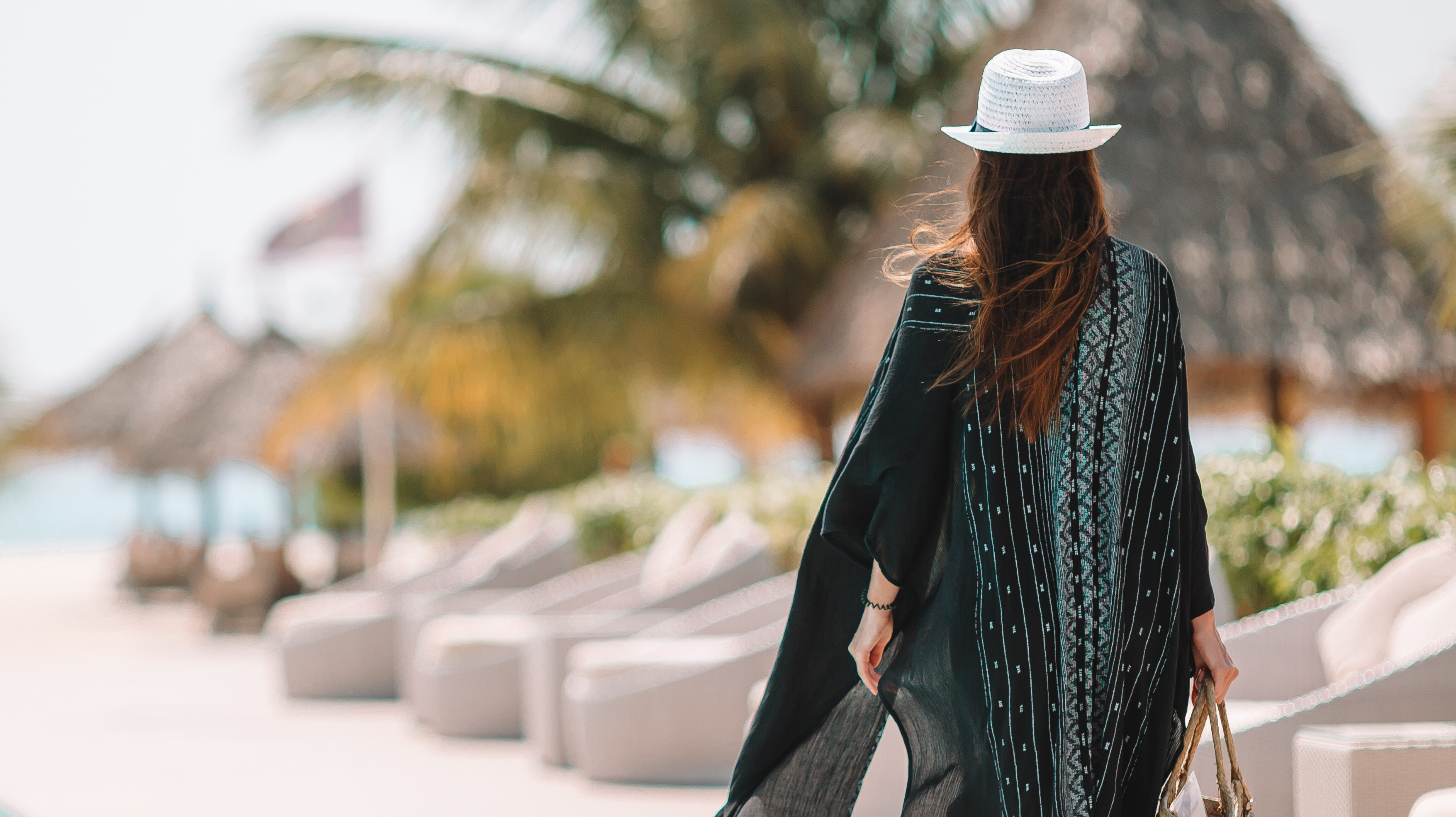
Seven spa hotels offering TCM treatments in Hong Kong
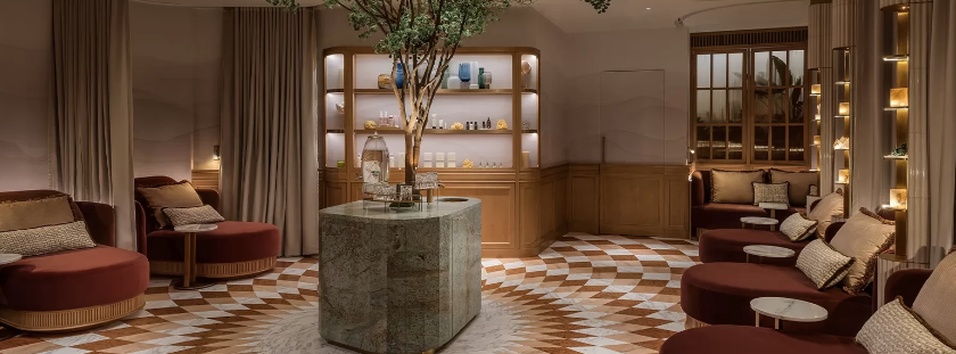
From sunrise tai chi and daily cups of herbal tea to late-night foot massages and astrology, Traditional Chinese Medicine remains an integral part of everyday life in modern-day Hong Kong. While readily available to Cantonese speakers, it can be a bit more difficult for foreigners to navigate. To help you find your way, here are seven of Hong Kong’s best hotel spas offering TCM treatments.
Treatment to try: Celestial Renewal Ritual.
New on the Four Season spa’s expansive menu, this ritual uses ancient massage techniques to restore the flow of life-giving Qi. The 120-minute treatment begins with a steaming herbal foot bath followed by an invigorating mugwort hammer and sandalwood oil massage. To end, ginseng, shouwu, and peptides are blended into a nourishing scalp massage to promote mental clarity.
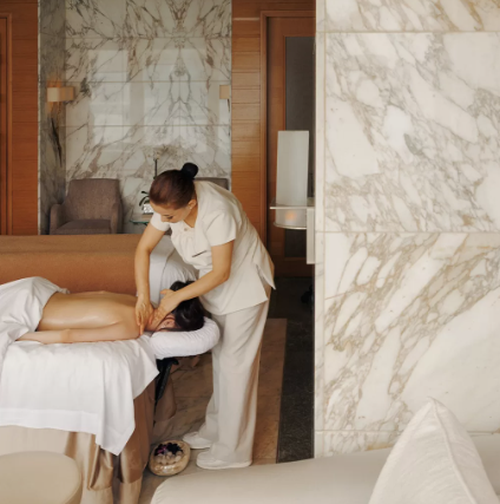
Treatment to try: Han Therapy.
Blending ancient wisdom with contemporary spa techniques and luxurious facilities, The Peninsula Spa’s Han Therapy series changes with the seasons. In summer, treatments work to constrain Yang energy, which is associated with the sun, heat, action, and unruly energy. The 120-minute package counters these effects with body brushing, meridian massage, and deftly releasing pressure from the scalp.
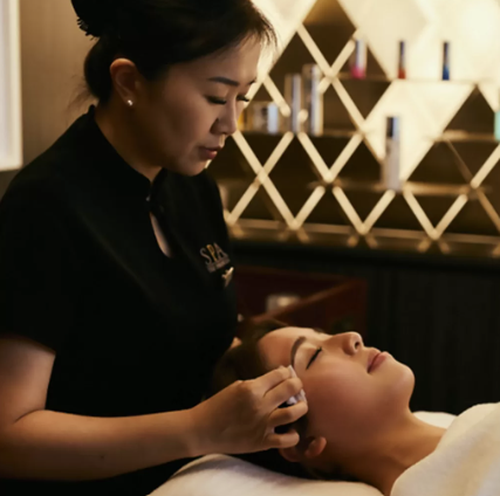
Treatment to try: YUN Align.
YUN WELLNESS at Island Shangri-La has introduced a slew of new TCM experiences, including meridian work, fascia release, breathwork, and tai chi. Resident TCM masters offer a range of daily classes and activities, alongside a roster of visiting practitioners, covering everything from Qigong mind-body movement to structural alignment to somatic dance and energy realignment. Harmony is the goal here.
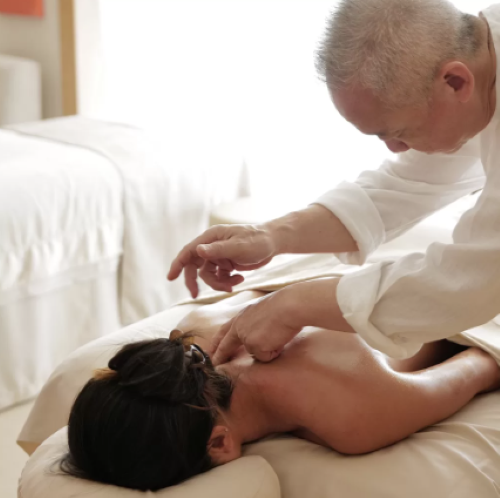
Treatment to try: Chinese Meridian Massage.
Fresh from a two-year refurbishment, this hotel reopened in June, with the spa reopening following in July. Sprawling over two floors, it’s the perfect spot for some urban unwinding, with an indoor swimming pool, a thermal suite, and an extensive treatment menu. Our top pick is the signature Chinese Meridian Massage. Combine it with cupping for added tension release.
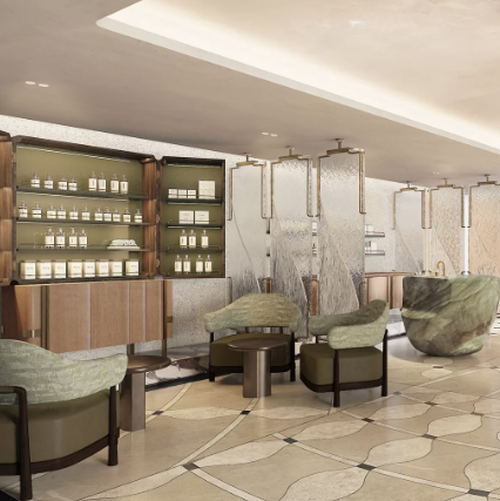
Treatment to try: Chuan Heavenly Jing Luo.
The roots of Chinese foot massage can be traced back to the Zhou Dynasty, over 3,000 years ago. You’ll find reflexology parlours in every Hong Kong neighbourhood, but for an elevated experience, visit Chuan Body + Soul at The Langham. Performed in a shadowy candlelit room, the 90-minute foot treatment employs traditional herbs and hot stones alongside skilled acupressure techniques.
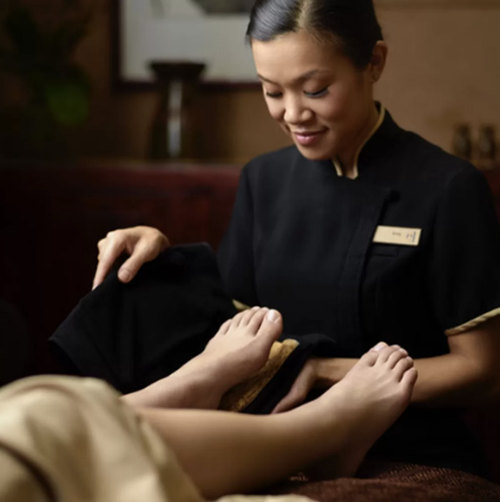
Treatment to try: astrology.
Astrology plays a major role in Chinese wellbeing, sharing the same Five Element framework as TCM. At Rosewood’s Asaya Spa by Guerlain, you can book a consultation with an astrologer, who will create a personal birth chart filled with advice on your personal strengths and weaknesses, challenges and opportunities. Private lessons with a tai chi master are also available.
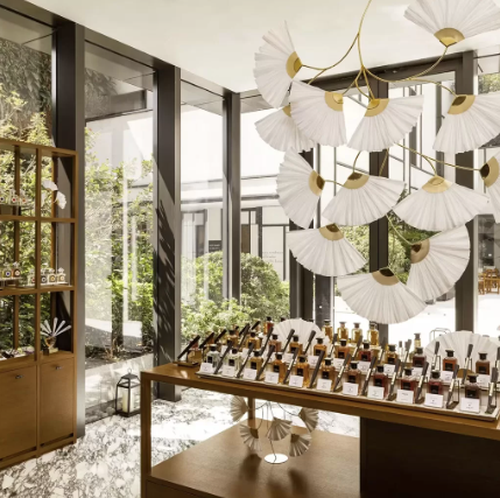
Treatment to try: The Blossom Ritual – Fertility Support Journey.
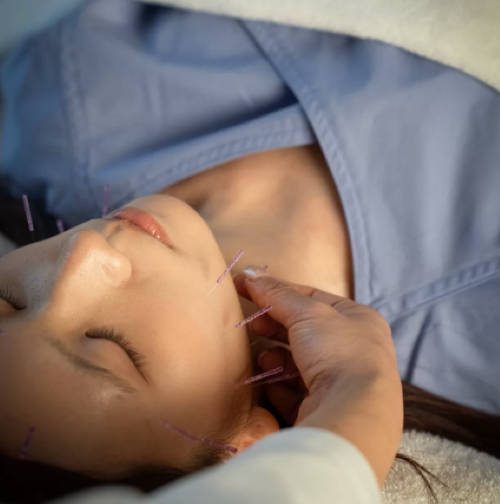
The new wellness residencies at Upper House include Hot Sculpt, longevity support, and a partnership with TCM experts, Chain’s. The qualified TCM doctors can help with pain management and perimenopause, but the team are most sought-after for their fertility support programmes, which use acupuncture, moxibustion, and herbal remedies to reduce stress, regulate menstrual cycles, and increase vitality.
This story was written and published by Quintessentially on 2 July 2026, the World’s Leading Lifestyle Management Service, and is republished with kind permission.
The articles may contain material provided by third parties derived from sources believed to be accurate at its issue date. While such material is published with necessary permission, the Westpac Group accepts no responsibility for the accuracy or completeness of, nor does it endorse any such third-party material. To the maximum extent permitted by law, we intend by this notice to exclude liability for third-party material. Further, the information provided does not take into account your personal objectives, financial situation or needs and so you should consider its appropriateness, having regard to your personal objectives, financial situation and needs before acting on it.