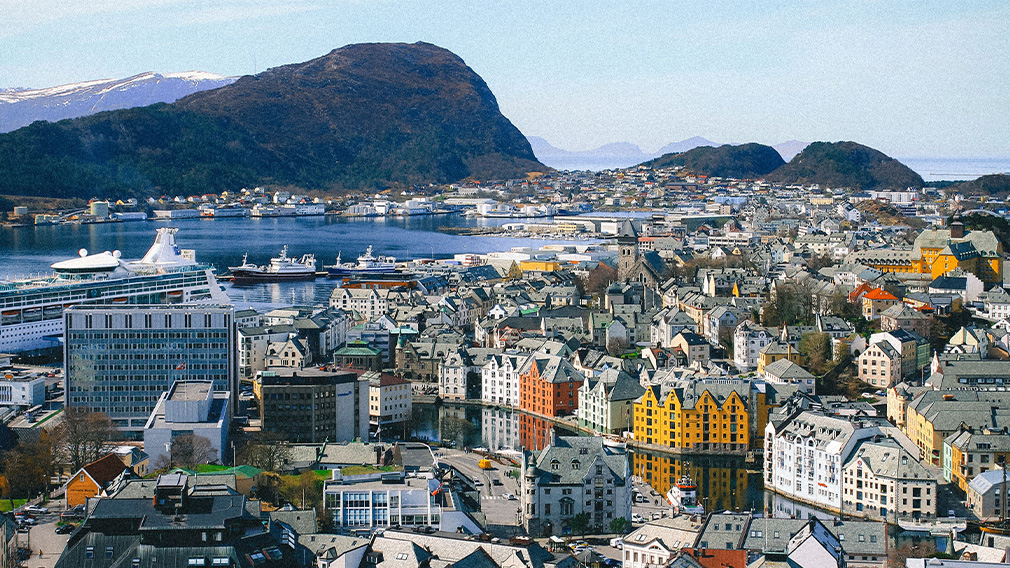
When a country has something the world wants, how should it use the proceeds? Norway offers some answers. (Image: Panoramic aerial view of Alesund, Norway showcasing colorful buildings and fjords, via Pexels)
Winning the lotto is a double-edged sword. While the fortune may solve many problems, it also provokes a loaded question - what should you do with the cash?
Countries face a similar dilemma.
When nations discover they are sitting on a (sometimes literal) goldmine and realise they've won the geographic lottery by virtue of oil, gas or mineral wealth, they arrive at a crossroads. Splash out today or save some for a rainy day?
There is, of course, a third option.
Many choose a middle path, opting for a way to absorb shocks and invest intergenerationally via sovereign wealth funds (SWFs) - a giant, diversified, publicly owned investment portfolio, designed to grow and preserve national wealth.
Think of it as a country's ETF investment account.
The concept is built on a simple idea of economic delayed gratification.
Resource booms can generate extraordinary wealth, but commodities are finite and prices are notoriously fickle. SWFs allow countries to convert a temporary windfall into a lasting financial asset, while helping smooth the ups and downs of commodity cycles.
At their simplest, SWFs work like this:
The country earns revenue from natural resources, often through taxes, royalties or state ownership
A portion of those proceeds is redirected into an investment fund
The fund invests globally across assets such as shares, infrastructure, property and bonds
Governments spend only a portion of the investment returns, allowing the fund to continue growing over time
Norway's trillion-dollar lesson
Enter Norway’s Government Pension Fund Global. Widely touted as the crème-de-la-crème of SWFs, what it lacks in a catchy name it more than makes up for by virtue of all other metrics.
After discovering vast oil and gas reserves in the North Sea, Norwegian policymakers faced a challenge common to resource-rich nations. They knew they had to play their cards carefully to avoid overheating their economy.
Economists have several (ominous) names for this phenomenon - “the paradox of plenty”, "resource curse", "Dutch disease". Put simply, this is when a flood of cash from the resources pushes up costs, crowds out other industries and leaves a country vulnerable when commodity prices inevitably fall.
The Norwegian answer to this problem was remarkably fiscally disciplined.
Established in 1990, the fund was designed to transform finite petroleum wealth into a permanent financial asset. Rather than pouring the proceeds back into the domestic economy (and risk overheating it), the fund invests almost exclusively overseas, helping insulate Norway from the swings of oil markets.
Today, it owns stakes in thousands of companies around the world, including Westpac, and has grown into one of the largest investment funds on the planet, with assets valued at an eye-watering A$3 trillion.
A key ingredient has been restraint. Norway follows a fiscal rule that broadly limits spending to the expected long-term return generated by the fund, currently estimated at around 3 per cent.
Why didn’t Australia copy Norway?
Australia has a sovereign wealth fund too.
The Future Fund, established in 2006, is worth more than $250 billion and describes itself as Australia's SWF. But unlike Norway's model, it wasn't built to capture proceeds from mining or energy exports.
Instead, its primary purpose is to help meet the Federal Government's future public sector superannuation liabilities.
On paper, the direct beneficiaries are current and former public servants whose retirement obligations the fund helps support.
But the broader argument is that all Australians benefit indirectly because the liabilities are funded in advance, reducing pressure on future taxpayers and government budgets.
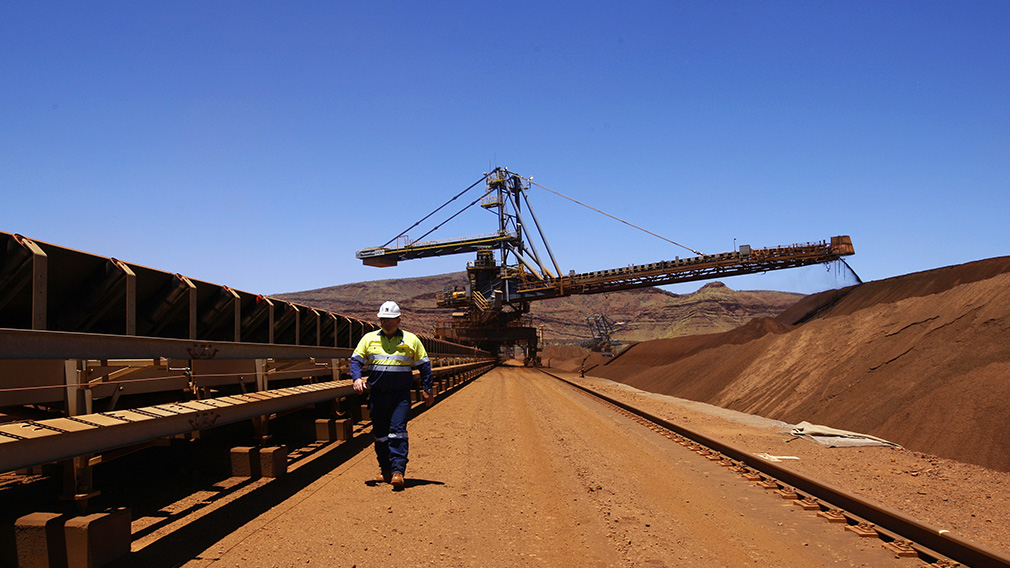
Australia's resources boom generated enormous wealth. Iron ore, coal, LNG and gold underpinned export earnings, employment, investment and government revenue for decades.
But rather than channelling a significant share of that windfall into a single, highly visible national fund, much of the benefit flowed through the broader economy - governments funded services and infrastructure, households built wealth through superannuation and property.
SWFs are built different
Norway's model is often seen as the gold standard, but SWFs come in many forms.
Singapore has used sovereign investing as part of a broader nation-building and economic development strategy. Gulf nations, including UAE and Saudi Arabia, have used sovereign funds to manage oil wealth while diversifying their economies. In central Asia, resource-rich Kazakhstan adopted a similar approach to managing commodity revenues.
Each approach reflects a country's unique priorities, institutions and sources of wealth.
Australia's Future Fund sits in a different category, focused less on managing resource wealth and more on strengthening the government's balance sheet.
National treasures in the Lucky Country
Lightning rarely strikes twice. Then again, the Lucky Country has built a habit of defying the odds.
The sovereign wealth fund conversation is resurfacing because some argue Australia is uniquely positioned for another chance at the Powerball, albeit the next opportunity may look very different from the last.
Critical minerals, renewable energy and artificial intelligence infrastructure are attracting growing investment interest.
Combined, the investment pipeline is approaching 13 per cent of GDP - rivalling the scale of the mining boom of yesteryear.
Unlike traditional resource projects, data centres rely on a different mix of assets, including land, power, water, grid infrastructure, construction labour and planning approvals.
If Australia provides the land, energy systems, critical minerals and institutional stability needed to power the AI economy, how much of the resulting value should flow back to the public?
Australia already has a SWF. What it doesn't have is a Norway-style model built around resource revenues.
As demand grows for Australia's critical minerals, renewable energy capacity and AI-related infrastructure, policymakers may once again confront the question Norway faced decades ago:
When a country has something the world wants, how should it use the proceeds?
{"topicSelector":[{"tagId":"newsroom:topics/economy","name":"economy","description":"Explore more Economy insights at Westpac Wire. Subscribe to the Westpac Wire newsletter to stay in the know.","title":"Economy","url":"/news/topic.economy/"},{"tagId":"newsroom:topics/westpac","name":"westpac","description":"Stories featuring Westpac corporate news.","title":"Westpac","url":"/news/topic.westpac/"},{"tagId":"newsroom:topics/community","name":"community","description":"Explore more community insights at Westpac Wire. Subscribe to the Westpac Wire newsletter to stay in the know.","title":"Community","url":"/news/topic.community/"},{"tagId":"newsroom:topics/banking","name":"banking","description":"Explore more Banking insights at Westpac Wire. Subscribe to the Westpac Wire newsletter to stay in the know.","title":"Banking","url":"/news/topic.banking/"},{"tagId":"newsroom:topics/sme","name":"sme","description":"Explore more Small Medium Enterprise insights at Westpac Wire. Subscribe to the Westpac Wire newsletter to stay in the know.","title":"SME","url":"/news/topic.sme/"},{"tagId":"newsroom:topics/covid19","name":"covid19","description":"Stories influenced by the COVID-19 pandemic.","title":"COVID-19","url":"/news/topic.covid19/"},{"tagId":"newsroom:topics/property","name":"property","description":"Explore more Property insights at Westpac Wire. Subscribe to the Westpac Wire newsletter to stay in the know.","title":"Property","url":"/news/topic.property/"},{"tagId":"newsroom:topics/diversity","name":"diversity","description":"Explore more Diversity insights at Westpac Wire. Subscribe to the Westpac Wire newsletter to stay in the know.","title":"Diversity","url":"/news/topic.diversity/"},{"tagId":"newsroom:topics/digital","name":"digital","description":"Explore more Digital insights at Westpac Wire. Subscribe to the Westpac Wire newsletter to stay in the know.","title":"Digital","url":"/news/topic.digital/"},{"tagId":"newsroom:topics/technology","name":"technology","description":"Explore more Technology insights at Westpac Wire. Subscribe to the Westpac Wire newsletter to stay in the know.","title":"Technology","url":"/news/topic.technology/"},{"tagId":"newsroom:topics/workplace","name":"workplace","description":"Explore more workplace insights at Westpac Wire. Subscribe to the Westpac Wire newsletter to stay in the know.","title":"Workplace","url":"/news/topic.workplace/"},{"tagId":"newsroom:topics/scams","name":"scams","description":"Stories about the latest cyber scams news and trends. ","title":"Scams","url":"/news/topic.scams/"},{"tagId":"newsroom:topics/sustainability","name":"sustainability","description":"Explore more sustainability insights at Westpac Wire. Subscribe to the Westpac Wire newsletter to stay in the know.","title":"Sustainability","url":"/news/topic.sustainability/"},{"tagId":"newsroom:topics/personalfinance","name":"personalfinance","description":"Explore more insights about personal finance, financial literacy and financial wellbeing. ","title":"Personal finance","url":"/news/topic.personalfinance/"},{"tagId":"newsroom:topics/career","name":"career","description":"Stories providing career insights, tips and trends.","title":"Career","url":"/news/topic.career/"},{"tagId":"newsroom:topics/billsbites","name":"billsbites","description":"Explore more insights from Bill Evans at Westpac Wire. Subscribe to the Westpac Wire newsletter to stay in the know.","title":"Bill\u0027s Bites","url":"/news/topic.billsbites/"},{"tagId":"newsroom:topics/social-enterprise","name":"social-enterprise","description":"Stories relevant to or featuring social enterprises.","title":"Social enterprise","url":"/news/topic.social-enterprise/"},{"tagId":"newsroom:topics/investing","name":"investing","description":"Explore more Innovators insights at Westpac Wire. Subscribe to the Westpac Wire newsletter to stay in the know.","title":"Investing","url":"/news/topic.investing/"},{"tagId":"newsroom:topics/leadership","name":"leadership","description":"Explore more Leadership insights at Westpac Wire. Subscribe to the Westpac Wire newsletter to stay in the know.","title":"Leadership","url":"/news/topic.leadership/"},{"tagId":"newsroom:topics/environment","name":"environment","description":"Explore more Environment insights at Westpac Wire. Subscribe to the Westpac Wire newsletter to stay in the know.","title":"Environment","url":"/news/topic.environment/"},{"tagId":"newsroom:topics/agribusiness","name":"agribusiness","description":"Explore more Agribusiness insights at Westpac Wire. Subscribe to the Westpac Wire newsletter to stay in the know.","title":"Agribusiness","url":"/news/topic.agribusiness/"},{"tagId":"newsroom:topics/wellbeing","name":"wellbeing","description":"Stories featuring wellbeing trends, insights and stories.","title":"Wellbeing","url":"/news/topic.wellbeing/"},{"tagId":"newsroom:topics/politics","name":"politics","description":"Explore more Politics insights at Westpac Wire. Subscribe to the Westpac Wire newsletter to stay in the know.","title":"Politics","url":"/news/topic.politics/"},{"tagId":"newsroom:topics/westpac-scholars","name":"westpac-scholars","description":"Stories featuring Westpac Scholars. ","title":"Westpac Scholars","url":"/news/topic.westpac-scholars/"},{"tagId":"newsroom:topics/innovators","name":"innovators","description":"Explore more Innovators insights at Westpac Wire. Subscribe to the Westpac Wire newsletter to stay in the know.","title":"Innovators","url":"/news/topic.innovators/"},{"tagId":"newsroom:topics/fintech","name":"fintech","description":"Explore more Fintech insights at Westpac Wire. Subscribe to the Westpac Wire newsletter to stay in the know.","title":"Fintech","url":"/news/topic.fintech/"},{"tagId":"newsroom:topics/data","name":"data","description":"Explore more data insights at Westpac Wire.","title":"Data","url":"/news/topic.data/"},{"tagId":"newsroom:topics/indigenous","name":"indigenous","description":"Explore more indigenous insights at Westpac Wire. Subscribe to the Westpac Wire newsletter to stay in the know.","title":"Indigenous","url":"/news/topic.indigenous/"},{"tagId":"newsroom:topics/payments","name":"payments","description":"Explore more Payments insights at Westpac Wire. Subscribe to the Westpac Wire newsletter to stay in the know.","title":"Payments","url":"/news/topic.payments/"},{"tagId":"newsroom:topics/history","name":"history","description":"Stories unearthed from Westpac\u0027s private archival collection. ","title":"History","url":"/news/topic.history/"},{"tagId":"newsroom:topics/podcast","name":"podcast","description":"Explore Westpac Wire\u0027s podcast series.","title":"Podcast","url":"/news/topic.podcast/"},{"tagId":"newsroom:topics/luciscall","name":"luciscall","description":"Explore more insights from Westpac\u0027s chief economist Luci Ellis at Westpac Wire. Subscribe to the Westpac Wire newsletter to stay in the know.","title":"Luci\u0027s Call","url":"/news/topic.luciscall/"},{"tagId":"newsroom:topics/startups","name":"startups","description":"Explore more Startups insights at Westpac Wire. Subscribe to the Westpac Wire newsletter to stay in the know.","title":"Startups","url":"/news/topic.startups/"},{"tagId":"newsroom:topics/currencies","name":"currencies","description":"Stories providing currencies insights, tips and trends.","title":"Currencies","url":"/news/topic.currencies/"},{"tagId":"newsroom:topics/opinion","name":"opinion","description":"Expert opinions and insights. ","title":"Opinion","url":"/news/topic.opinion/"},{"tagId":"newsroom:topics/asia","name":"asia","description":"Explore more Asia insights at Westpac Wire. Subscribe to the Westpac Wire newsletter to stay in the know.","title":"Asia","url":"/news/topic.asia/"},{"tagId":"newsroom:topics/analysis","name":"analysis","description":"Expert analysis on economic news and other trends.","title":"Analysis","url":"/news/topic.analysis/"},{"tagId":"newsroom:topics/superannuation","name":"superannuation","description":"Explore more Superannuation insights at Westpac Wire. Subscribe to the Westpac Wire newsletter to stay in the know.","title":"Superannuation","url":"/news/topic.superannuation/"},{"tagId":"newsroom:topics/IWD","name":"IWD","description":"Stories focusing on International Women\u0027s Day, on 8 March annually. ","title":"IWD ","url":"/news/topic.IWD/"},{"tagId":"newsroom:topics/rework","name":"rework","description":"Stories of businesses pivoting in the face of the COVID-19 pandemic.","title":"Rework","url":"/news/topic.rework/"},{"tagId":"newsroom:topics/veterans","name":"veterans","description":"Explore more insights about defence force veterans at Westpac Wire.","title":"Veterans","url":"/news/topic.veterans/"},{"tagId":"newsroom:topics/commodities","name":"commodities","description":"Insights into commodities markets.","title":"Commodities","url":"/news/topic.commodities/"},{"tagId":"newsroom:topics/goodpair","name":"goodpair","description":"Explore more Good Pair stories, showing two people making a big difference together. ","title":"Good Pair","url":"/news/topic.goodpair/"},{"tagId":"newsroom:topics/10Qs","name":"10Qs","description":"\"10Qs with...\" is a series that asks leaders what makes them tick.","title":"10Qs","url":"/news/topic.10Qs/"},{"tagId":"newsroom:topics/deals","name":"deals","description":"Explore more Deals insights at Westpac Wire. Subscribe to the Westpac Wire newsletter to stay in the know.","title":"Deals","url":"/news/topic.deals/"},{"tagId":"newsroom:topics/regional","name":"regional","description":"Explore more Regional insights at Westpac Wire. Subscribe to the Westpac Wire newsletter to stay in the know.","title":"Regional","url":"/news/topic.regional/"},{"tagId":"newsroom:topics/tax","name":"tax","description":"Explore more tax insights at Westpac Wire. Subscribe to the Westpac Wire newsletter to stay in the know.","title":"Tax","url":"/news/topic.tax/"},{"tagId":"newsroom:topics/regulation","name":"regulation","description":"Explore more Regulation insights at Westpac Wire. Subscribe to the Westpac Wire newsletter to stay in the know.","title":"Regulation","url":"/news/topic.regulation/"},{"tagId":"newsroom:topics/reinventure","name":"reinventure","description":"Explore more Reinventure insights at Westpac Wire. Subscribe to the Westpac Wire newsletter to stay in the know.","title":"Reinventure","url":"/news/topic.reinventure/"},{"tagId":"newsroom:topics/businesses-of-tomorrow","name":"businesses-of-tomorrow","description":"Stories featuring Westpac Businesses of Tomorrow program winners. ","title":"Westpac Businesses of Tomorrow","url":"/news/topic.businesses-of-tomorrow/"},{"tagId":"newsroom:topics/shareholders","name":"shareholders","description":"Stories relevant to Westpac shareholders.","title":"Shareholders","url":"/news/topic.shareholders/"},{"tagId":"newsroom:topics/climate","name":"climate","description":"Explore more climate insights at Westpac Wire. Subscribe to the Westpac Wire newsletter to stay in the know.","title":"Climate ","url":"/news/topic.climate/"},{"tagId":"newsroom:topics/esg","name":"esg","description":"Explore more insights on environmental, social and governance issues at Westpac Wire. Subscribe to the Westpac Wire newsletter to stay in the know.","title":"ESG","url":"/news/topic.esg/"},{"tagId":"newsroom:topics/boardwalk","name":"boardwalk","description":"A series of in-depth podcast interviews with board directors to find out what\u0027s on their minds. ","title":"Board Walk","url":"/news/topic.boardwalk/"}]}