Investing in property: what is rental yield?
Rental yield is simply the difference between the income you receive from renting out your property minus the overall costs of your investment. It’s often expressed as a percentage and the higher the percentage generally means greater cash flow and higher return on investment.
There are two different types of rental yield – gross rental yield and net rental yield – and both are calculated differently, providing (sometimes substantially) different figures.
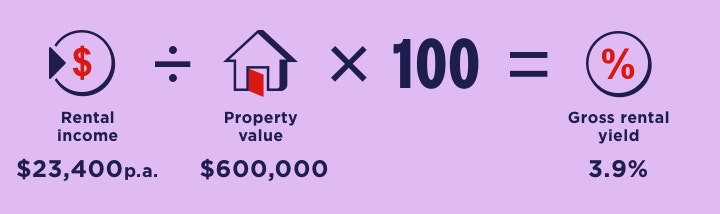
Gross rental yield is a simpler calculation that looks at the amount of rental income you can receive over a year, measured against the market value of the property. While gross rental yield can be useful for determining a property’s general investment potential, it may not give you a completely realistic idea of your outgoings.
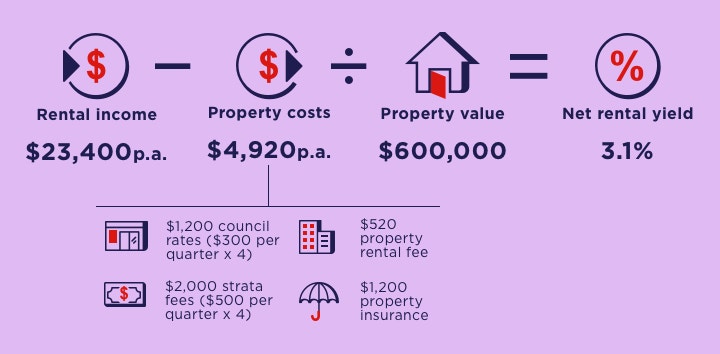
The net rental yield will give you a more accurate figure as it factors in the ongoing expenses of your investment property, which in some instances can be considerable. Expenses can include insurance, strata fees, repair costs and legal fees, to name a few.
Regardless of whether you’re calculating the gross or net figures, understanding rental yield is important for property investors as it can help determine what the ongoing return may be on your potential investment and whether it will work with your overall investment goals. Keeping track of your rental yield can also be beneficial for annual rental reviews on your property.